Scentography|氣韻攝記
Following the Flow of Qi in Photography
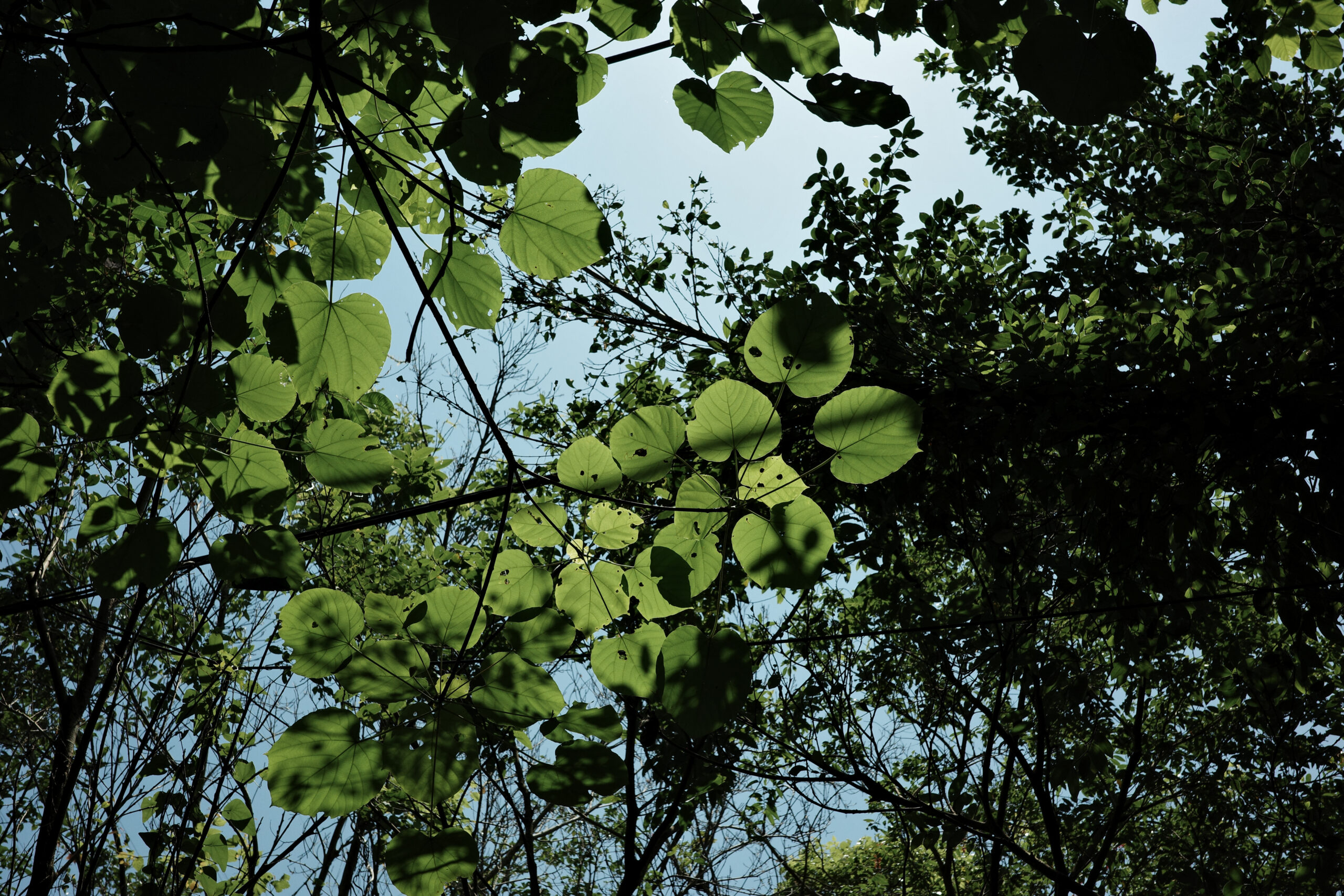
More than a photograph,
it’s a trace of air, light, and presence.
I call my way of seeing Scentography (氣韻攝記).
It began simply: standing somewhere,
letting the air and light move around me,
until a moment quietly asked to be kept.
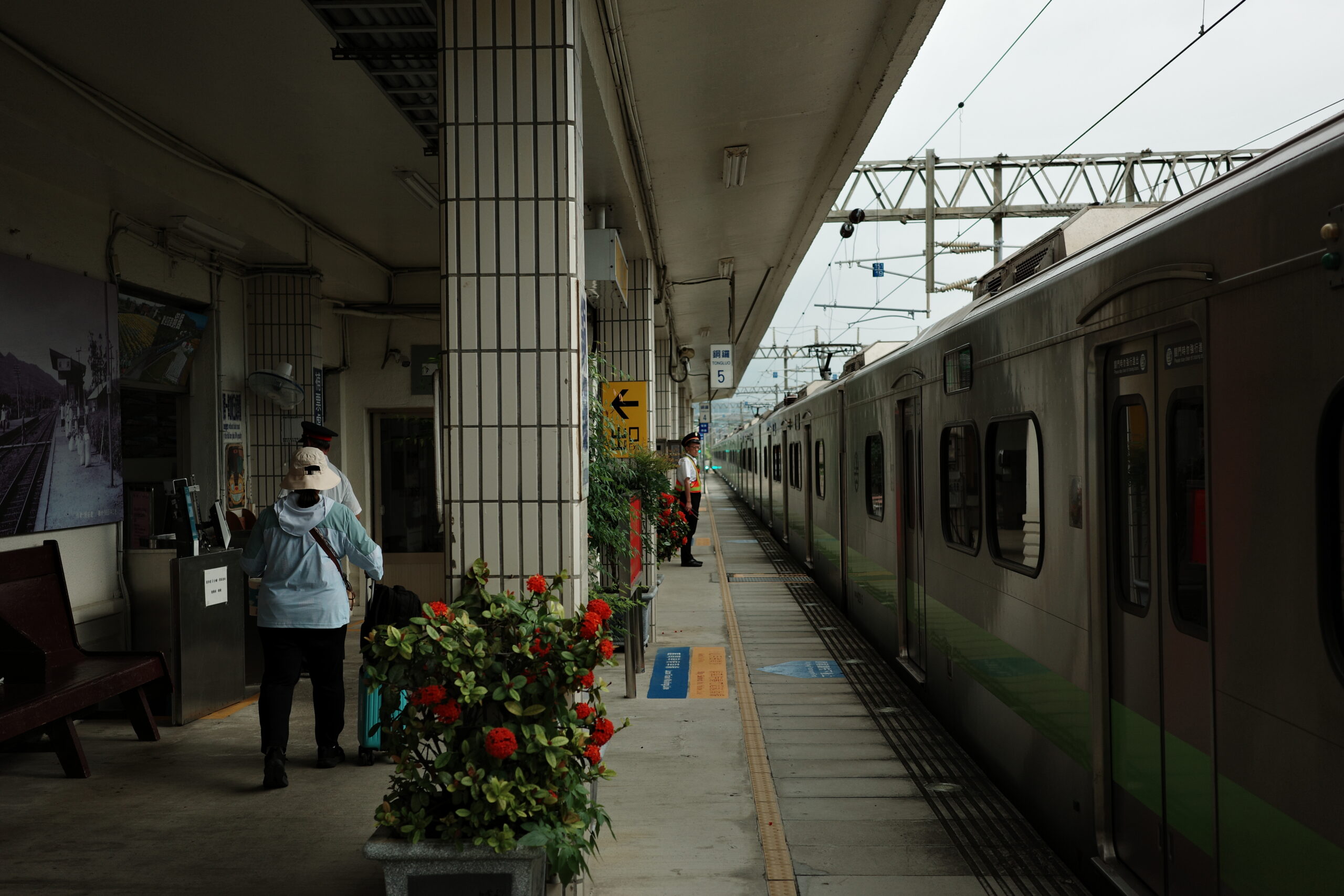
This isn’t street photography in the usual sense.
My focus is not on a decisive subject or dramatic instant,
but on the atmosphere that shapes everything within the frame.
Sometimes the frame has no clear protagonist,
yet it still holds you, lets you breathe,
and drifts through you like a faint scent.
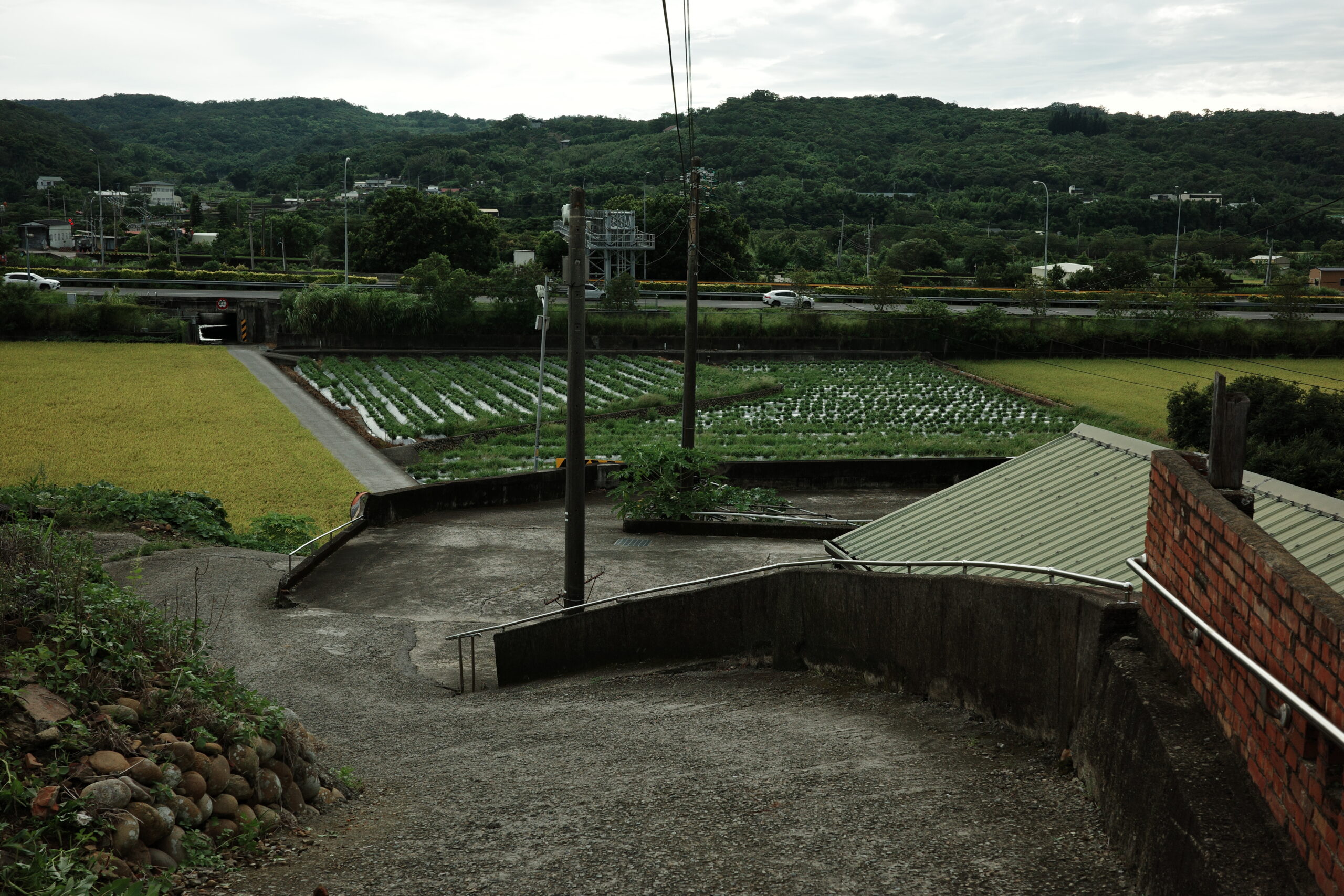
My approach draws deeply from Taoist thought:
wu wei—to act without forcing.
I don’t arrange scenes or chase a perfect composition.
Instead, I follow the flow of qi,
letting it decide where I stand, how I look,
when I press the shutter.
In daylight,
I walk among the ordinary streets of Taiwan,
not seeking, but open to what may arrive.
At night or in the rain,
the air becomes denser with light and scent,
these are the calls I answer most often.
From cities to small towns,
sunlit afternoons to rain-soaked nights,
people to still objects.
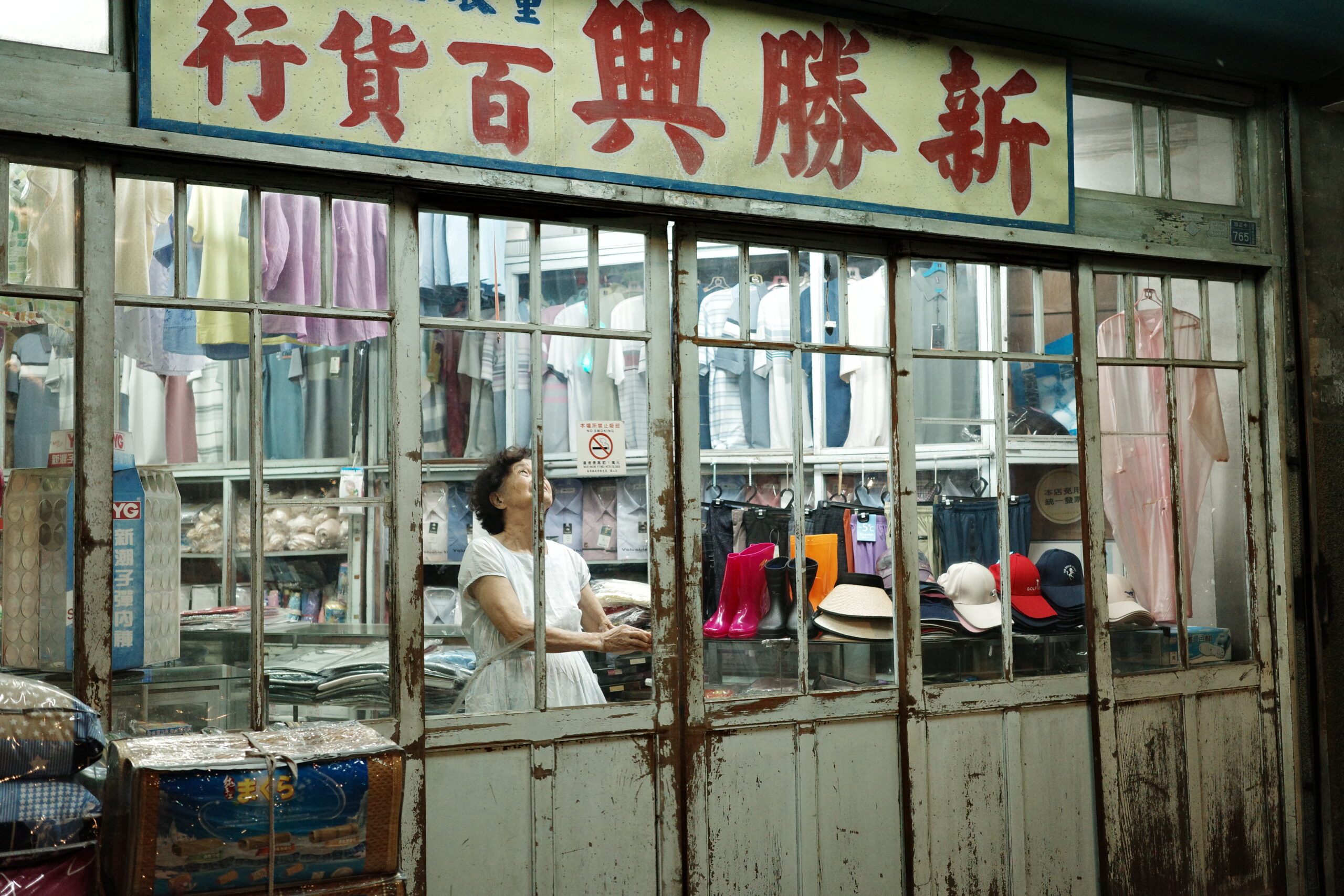
If you wish to see Taiwan unpolished,
with its air and light intact,
you might find it here.
Scentography is not about chasing subjects,
but about answering their summons.
Each frame begins before the shutter,
in the pause, in the act of noticing,
in the way the air settles around me.
I let the scene decide if it wants to be kept,
allowing light, scent, and the quiet rhythm of the place to speak first.
Only then do I press the shutter,
so that what remains is not only the image,
but also the breath of that moment.
Difference between Scentography and traditional documentary/street photography
Traditional approaches often prioritize decisive moments,
composition rules, or visual impact.
Scentography begins from stillness and presence,
allowing the environment to flow into the frame before deciding to press the shutter.
It is less about capturing events,
and more about preserving the quiet,
lingering air between them.
Where a documentary image might seek to show a scene;
Scentography seeks to let the scene breathe inside the photograph,
so the viewer feels the same slow drift of time that existed there.
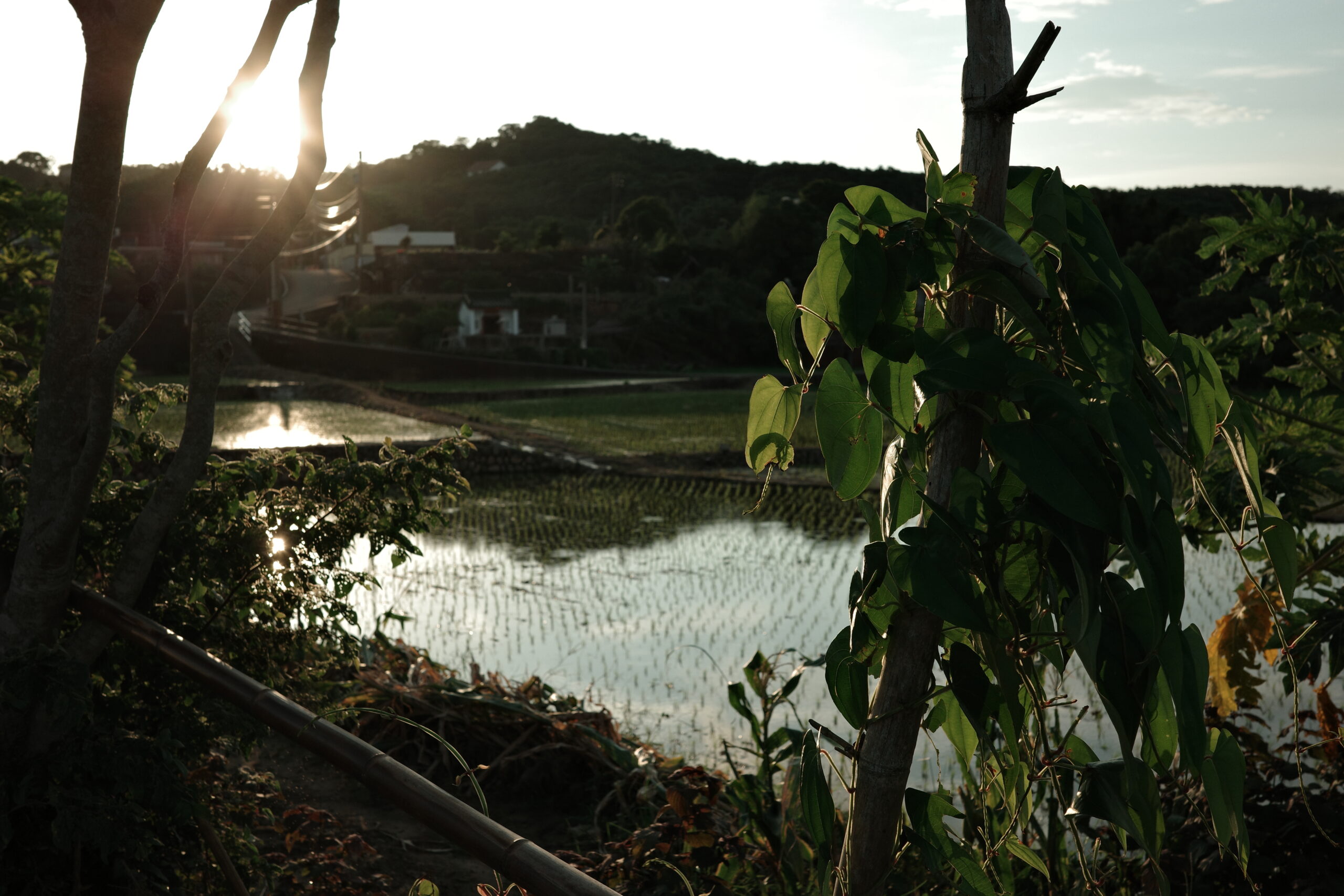
Photography as a response to sensory presence
In Scentography,
the photographer’s role is to arrive, breathe,
and let the scene shape the image.
The process is body-led:
listening to wind moving between alleyways,
noticing the smell of damp stone,
watching shadows shift across a wall.
This slow attentiveness replaces the rush for technical perfection.
The photograph becomes an imprint of the photographer’s own sensory state,
an exchange between the environment and the self.
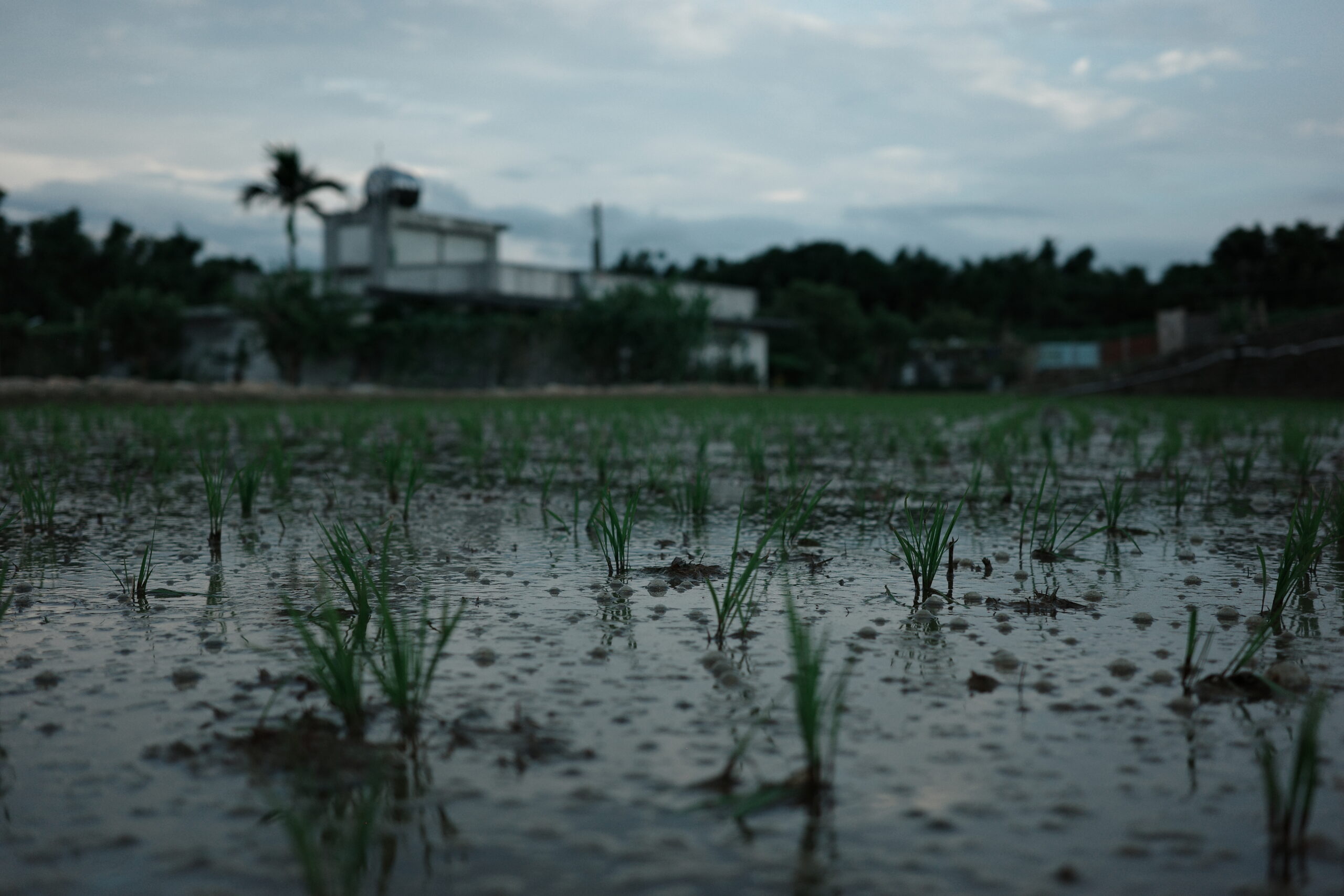
The scent of a scene is not smell;
it is memory, rhythm, and lingering emotion.
The scent of a scene is more than smell; it is recollection, rhythm, and lingering emotion.
A scene’s “scent” can be the damp air after rain,
the stillness of a quiet street,
or the faint warmth of afternoon light on worn wood.
These are carried into the photograph not as objects,
but as traces of time,
recalled before they are seen.
Scentography gathers these invisible threads,
allowing them to remain suspended inside the image,
so they can be re-lived long after the moment has passed.
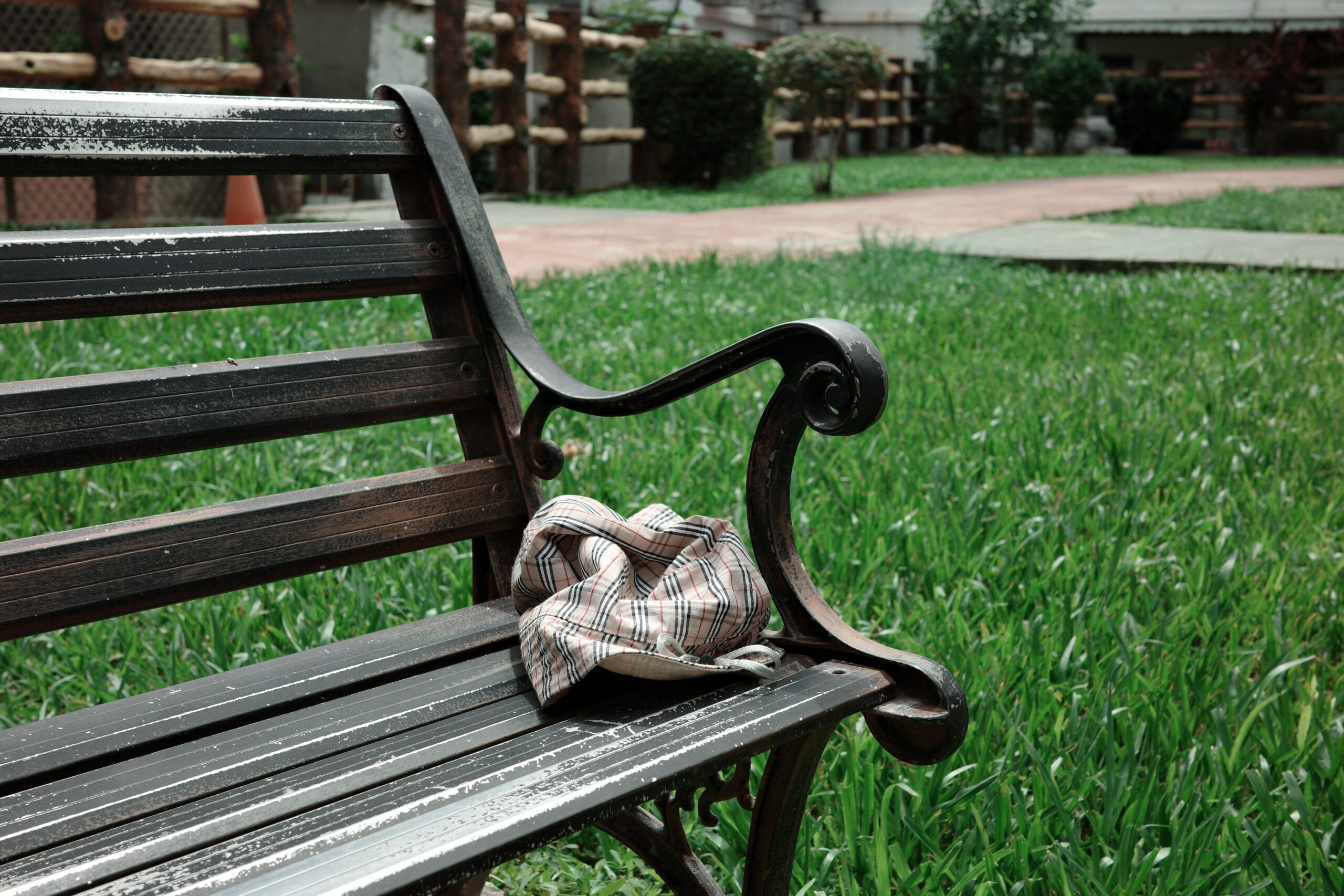
Continue exploring:
Qi Yun Photography(氣韻攝記):A style of capturing breath and subtle emotional presence.
The Photographic Tao(攝影道法):A method rooted in Daoist stillness and non-compositional seeing.